Task 1
Exhibitions and Concept Development :
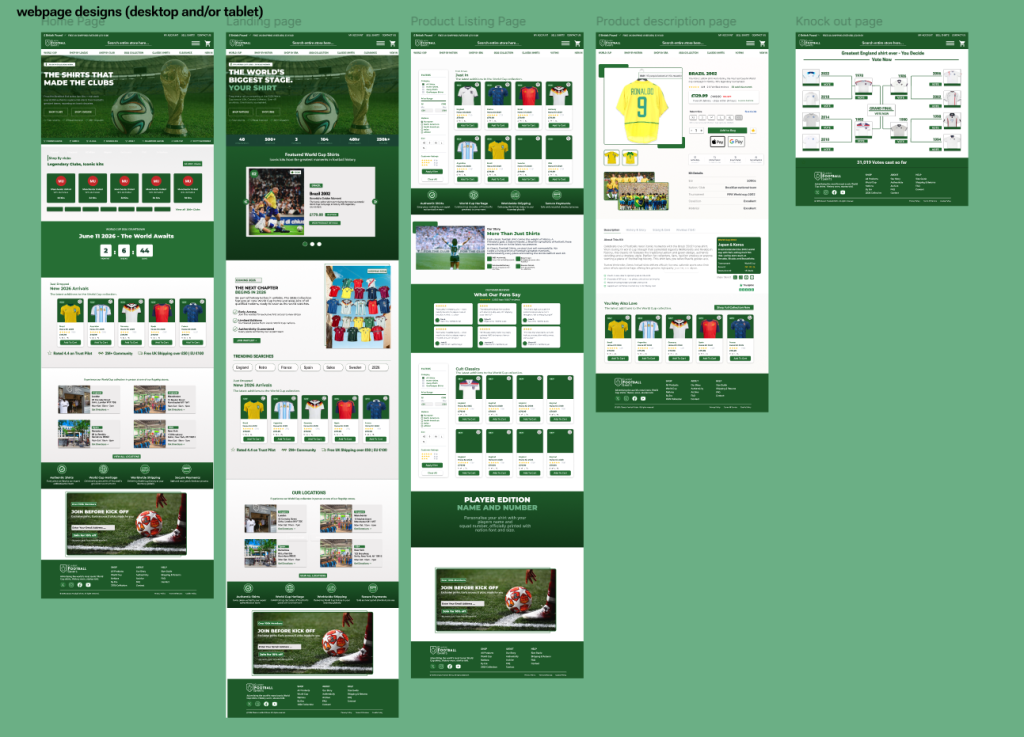
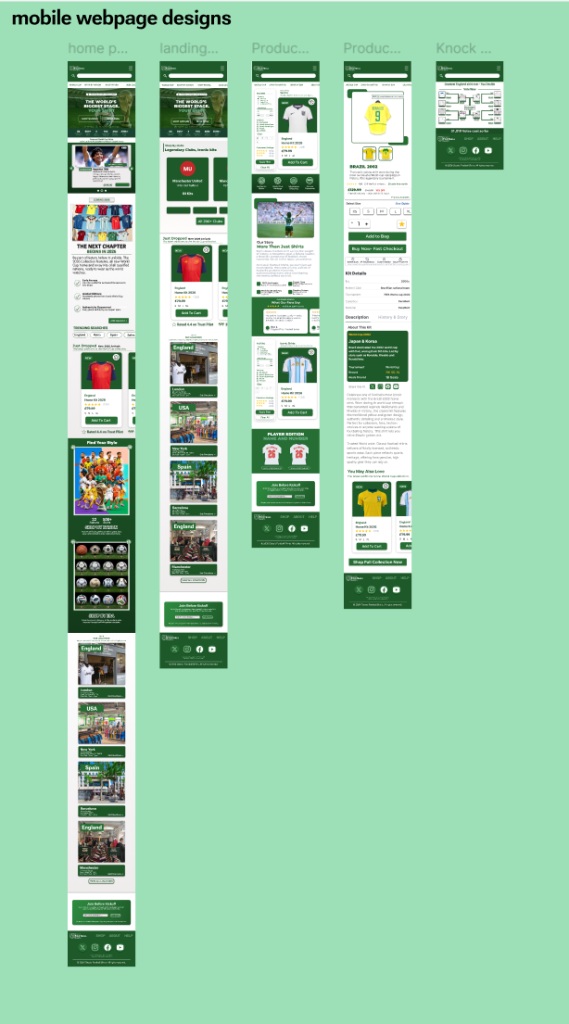
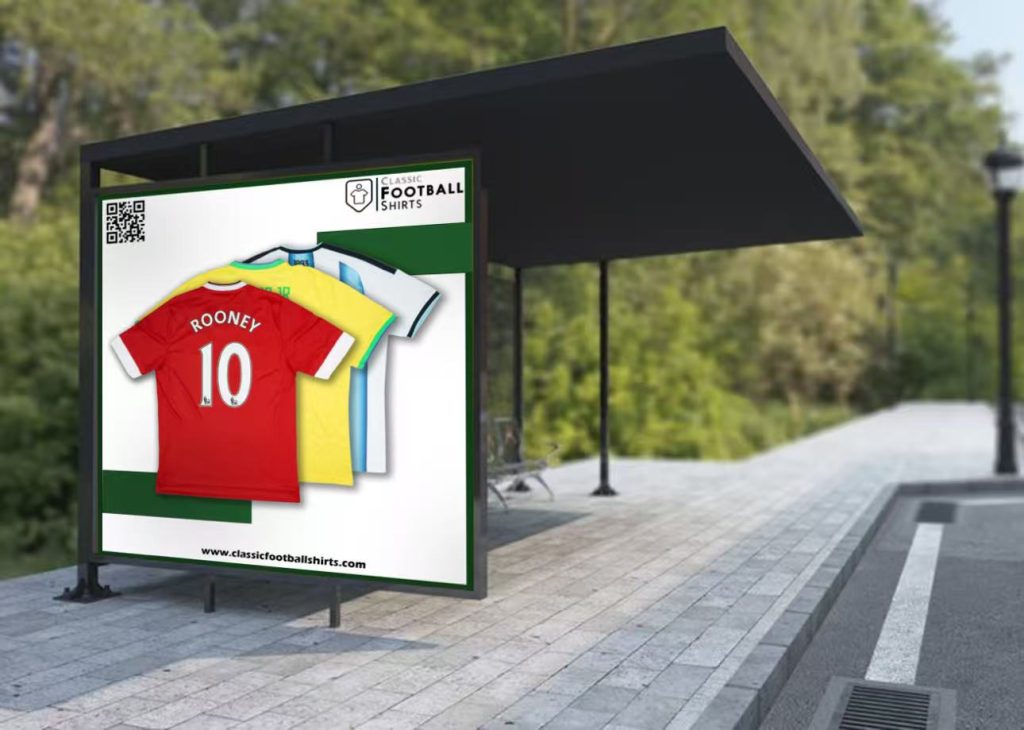
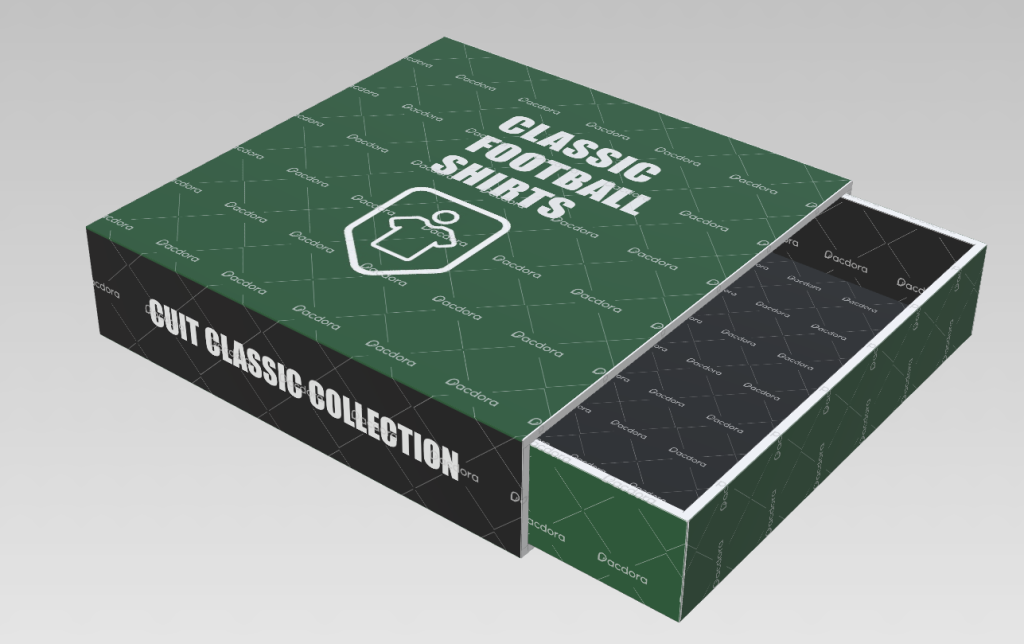
Below are my conceptual design and some reflections on this assignment. Looking back over the entire project, my team and I achieved breakthroughs in many different areas, such as web design optimised for various devices, platform design for social media, bus shelter advertisements, mural concepts, packaging proposals and so on. Of these, I am most satisfied with the website design; through consultation, our team made the overall layout of the webpage more concise and eye-catching, and streamlined the information using various methods such as CTAs. We executed this with a high degree of professionalism, ensuring the UI closely resembled that of a real-world website, whilst keeping the purchasing interface free from clutter.
A minimum of 4 webpage designs:
A minimum of 4 mobile webpage designs:
https://www.figma.com/design/Lv5q0dU6MW3NibDJEQ6wNG/Untitled?node-id=0-1&t=boT9biJU8F5O28Qj-1
Subsequently, I created product listings for Instagram and applied simple animations to make the videos more eye-catching.
Bus shelter advertising
Mural concepts

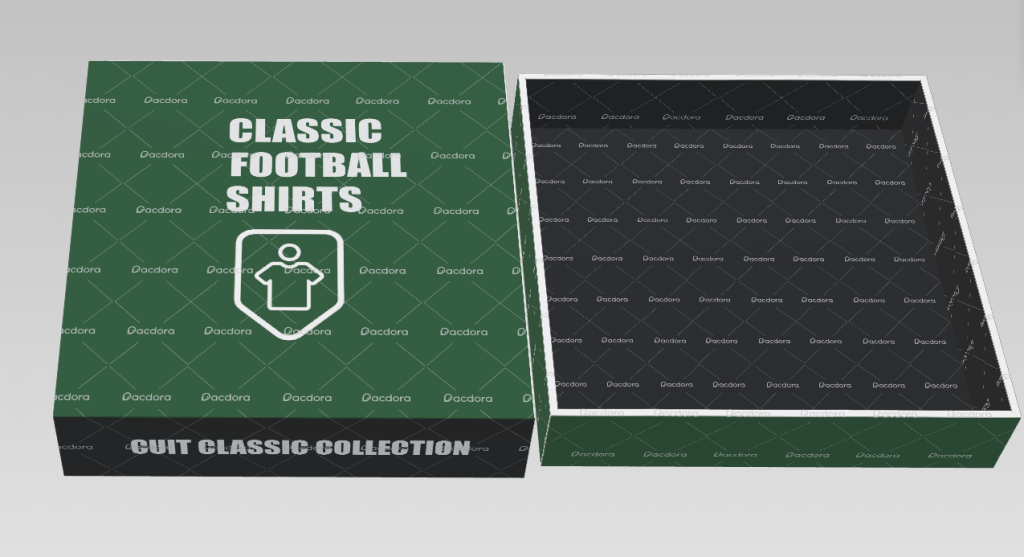
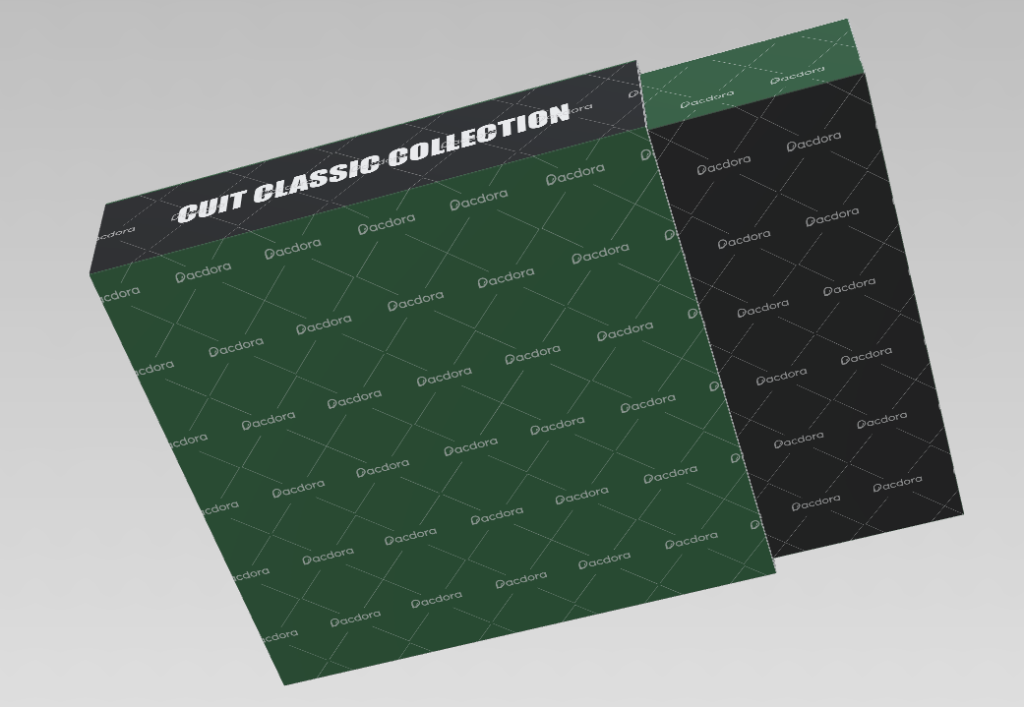
Packaging proposals
Task 2 Reflective Blog Post
In this assignment, we, the graphic design students, collaborated with our marketing counterparts to discuss aspects such as the market prospects for CFS. The main advantage of this collaboration was the ability to receive ongoing feedback on various designs and models. My team and I held meetings several times a week to present the work completed the previous week, allowing me to gather honest feedback from each member. Through the exchange of ideas and complementary suggestions between the graphic design and marketing students, we made significant progress in reaching final decisions, thereby enhancing the value of this feedback. Another advantage of collaborating with the marketing students is that they are more attuned to cutting-edge market trends than graphic design students. They are able to offer highly useful insights that graphic design students would not typically encounter. Working with them has made the process easier and accelerated our progress. Furthermore, based on the insights they provided, we were able to develop more effective mock-ups and websites. For instance, the diverse perspectives of team members led to more proactive problem-solving and creative solutions. Their approach was largely data- and consumer-driven, and by incorporating these ideas into our work, we were able to enhance the quality of our deliverables.、
Overall, our process did not encounter too many conflicts or issues; one of our earliest challenges and points of discussion was which platforms we could use to promote the work and thereby reach the audience best suited to the brand. Some members favoured TikTok, whilst others preferred Facebook, as the target demographic they wished to reach dictated which platform would be more suitable. We determined which site would be more advantageous by examining data from both social media platforms and comparing the statistics. Ultimately, we all agreed that using Facebook would be more conducive to achieving the campaign’s objectives. This was one of the few instances where our team experienced a difference of opinion. Most of the time, the marketing students propose specific ideas and improvements, which are then implemented by the graphic design students and submitted back to the marketing students. This process is repeated until both groups of students are satisfied with the outcome.
Impact: Understanding that clients provide direction and boundaries. Their brand positioning, target audience, market objectives and so on ensure that your design is no longer a ‘purely personal expression’, but rather more targeted. These constraints actually help to focus your ideas, preventing concepts that are wildly imaginative but impractical.
At the same time, feedback throughout the collaboration process will continuously refine your ideas; some concepts may be fundamentally misguided from the outset, and can only be improved through dialogue with the client.
To summarise, there are two key points: ensuring creativity is more goal-oriented and grounded in reality, and driving continuous optimisation through feedback.
Context: Design never exists in isolation; it requires communication and collaboration with people from different fields to meet the client’s requirements through cooperation.
Task 3 Presentation Video