The art director holds a dominant position in visual and overall matters, serving as a pivotal bridge between advertising campaigns and client services. Their influence extends beyond mere visual presentation, directly impacting brand positioning, communication effectiveness, and commercial outcomes. They oversee the entire visual style, encompassing colour systems, typography selection, compositional layout, and photographic aesthetics, ensuring brand image consistency (as exemplified by Nike’s dynamic sports posters mentioned previously).
Instance:
1.Much like McDonald’s advertising campaigns, the 2017 collaboration with the Minions proved highly effective in capturing children’s attention towards the brand. The lively atmosphere of this promotion, coupled with its interaction with the film’s protagonists, the Minions, was widely embraced and sought after by both parents and youngsters alike. This initiative undoubtedly contributed to a noticeable increase in McDonald’s sales during that period.
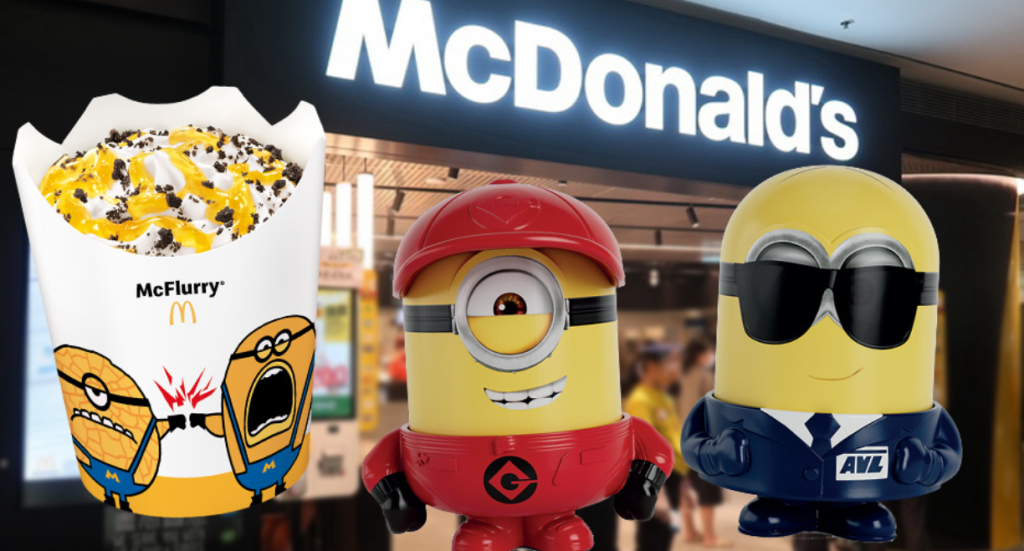
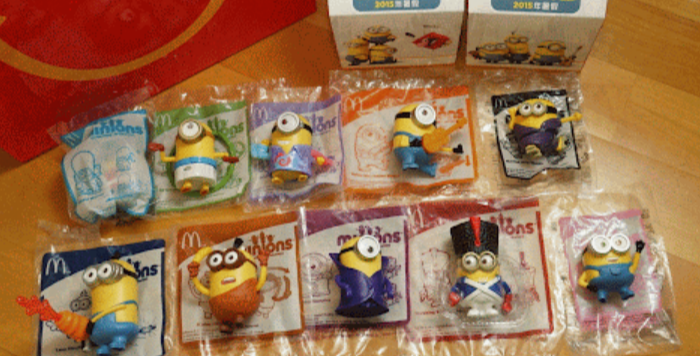
By leveraging powerful IP collaborations to heighten brand buzz, McDonald’s has timed its latest advertising campaign perfectly with the film’s release. This cross-promotional initiative not only captivates children but also sparks parents’ curiosity and nostalgia, proving to be a highly effective two-pronged strategy.
2.Furthermore, McDonald’s advertising campaign featuring Mirror’s Jiang Tao—a renowned Hong Kong singer, actor, dancer, and member of the Mirror boy band with an immense fanbase—demonstrates that the brand’s collaboration with him extends beyond mere capitalising on his popularity. It strategically positions the brand to be ‘seen by young people’. In the advert, Jiang Tao showcases exclusive meal options and encourages users to download the McDonald’s app for ordering, successfully driving a surge in app downloads. This also exemplifies the convenience of the information age.


Employing a strategy similar to Nike’s (collaborating with renowned athletes), leverage the collective influence of large fan bases to elevate product visibility and precisely target the intended audience.
3.This is a simple poster design, devoid of any sales pitch, yet its content effectively draws people into the shop. It cleverly combines elements of the street, the morning sun, the crowd, and the golden arches logo.




Each frame captures fleeting moments in the daily lives of diverse individuals: white-collar workers hurrying across the road, students rushing to class with satchels slung over their shoulders, construction workers absorbed in their tasks, couples walking side by side. These simple advertisements reflect the myriad facets of existence, allowing viewers to empathise and resonate with the scenes depicted.
Summary
In essence, an art director is not merely a designer but the individual who determines how a brand is perceived. In a fiercely competitive market, visual distinction constitutes a competitive advantage. Art directors help brands avoid homogenisation, enhancing their visibility and recognition among peers. This requires clear positioning within the target demographic while introducing complementary new products—such as the Minions toys launched during the Minions collaboration to capture the attention of younger children.